Best Mattress for Arthritis (2026): Medium-Firm Picks That Go Easy on Hips and Shoulders
Sleep health
Arthritis changes what a mattress has to do. Too firm and the hips and shoulders take sharp pressure, too soft and the spine twists. Medium to medium firm with a cushioning top is the range that helps most people wake up looser.
Our picks
Arthritis changes the job a mattress has to do. Too firm and the hips and shoulders press into a hard surface, which is where morning stiffness gets worse. Too soft and the midsection sinks until the spine twists, which is the opposite of relief. Medium to medium firm with a cushioning top layer is the range that helps the most people.
Browse the rest of our sleep health category for pain-specific guides. The best mattress for back pain page covers the lumbar lane, and the best mattress for shoulder pain guide goes deeper on side-sleeping pressure. For hip pain specifically, the best mattress for side sleepers with hip pain guide is the closer match.
The two mattresses below take different routes to the same goal. One cushions with dense gel foam. The other supports with pocket coils and a firm top. Which one is right depends on how you sleep and where it hurts.
What arthritis changes about mattress shopping
Joint pain moves the priorities around. Three things matter more than they do for the average shopper.
Pressure has to spread, not concentrate. A mattress that is too firm creates sharp contact points at the hip, shoulder, and knee. A rheumatologist quoted by AARP recommends medium firm over firm for exactly this reason: it may reduce joint pain on waking. A sleep-medicine doctor adds that medium to medium firm with high-density memory foam gives gentle contouring at the joints.
Repositioning has to be easy. Inflammation makes turning over harder, and a very slow memory foam top can feel like it holds you in place. That is the argument for a medium feel with a responsive support core, or for a hybrid with coils under the foam.
Heat matters more than people expect. Inflammation raises body heat, and a mattress that traps it makes a bad night worse. Gel-infused foam and an open coil layer both move heat better than basic memory foam, which is why the picks here lean on one of each.
Firmness is personal, and the right answer shifts with body weight and sleep position. The sections below break that down.
Compare the two arthritis mattresses
Both are queen size and both work on a standard platform, a box spring, or a motorized base. The Bliss weighs about 62 pounds and the BedStory about 101, so the hybrid is the heavier of the two to move.
Novilla Bliss 12 Inch is the best for most people
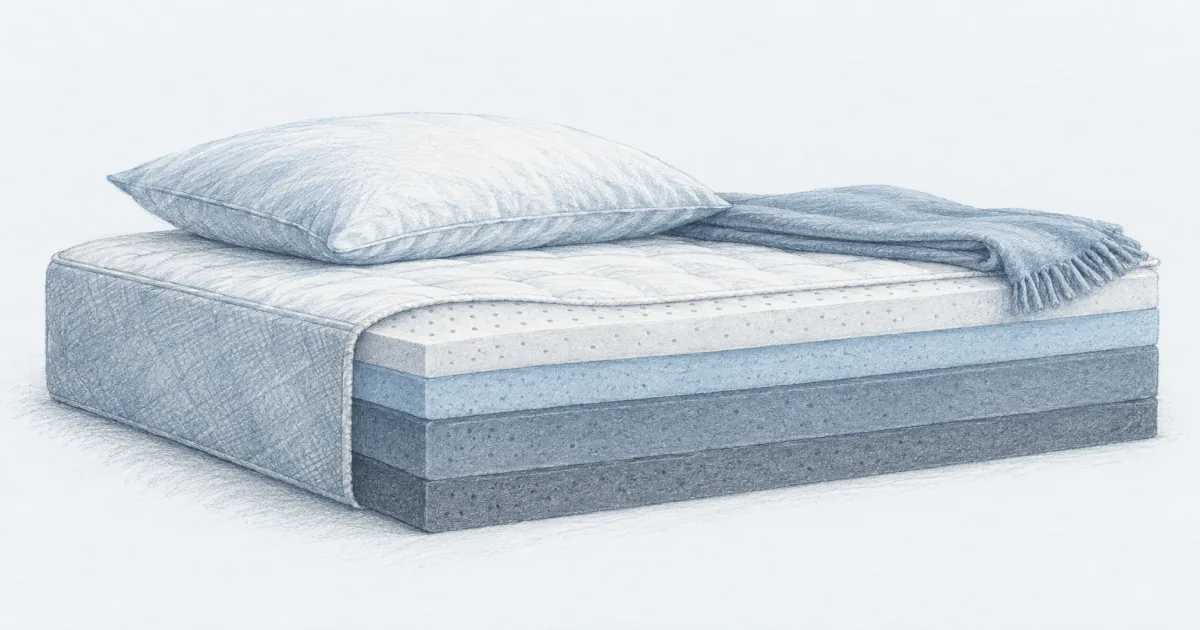
The Novilla Bliss Queen Size Mattress, 12 Inch Gel Memory Foam is a four-layer foam bed with a gel-infused memory foam top. Sleep Foundation rates it medium, and both its lab and Sleep Doctor pick the 10 and 12 inch versions for side and back sleepers.
Pressure relief is the reason it wins here. The comfort layers contour to the hip and shoulder, while the support core holds the spine level. Motion isolation is excellent, which matters when a partner shifts at 3am and you are already sleeping lightly because of pain.
The known tradeoffs are honest ones. Edge support is average for an all-foam bed, so the last few inches at the side feel softer. The slow memory foam top makes repositioning a beat slower than a hybrid. And like every foam mattress, it runs warmer than a coil build, which is worth weighing if joint pain already makes you sleep hot.
Choose the Novilla Bliss if: you sleep on your side or back, you want cushioning at the hips and shoulders, and you share the bed with a light sleeper. Skip the Novilla Bliss if: you are a stomach sleeper over about 130 pounds, or you need firm support from edge to edge.
BedStory 14 Inch Firm Hybrid is the firm-support pick
The BedStory Queen Mattress 14 Inch Firm Hybrid is the opposite approach to the Bliss. It pairs gel memory foam with more than 800 individually wrapped 2.0 mm coils in a 14 inch Euro top, and it lands at a true firm feel.
That firmness is the point for back sleepers. The hips stay level and the lumbar stays supported, so there is no hammock dip. The coil layer adds edge support that an all-foam bed cannot match, and the reinforced perimeter makes getting in and out easier, which is the part arthritis shoppers underestimate.
It is fiberglass-free and certified to CertiPUR-US and OEKO-TEX standards, and it carries a 365-night trial with 10-year support. Two cautions. Do not put a side sleeper with hip or shoulder arthritis on this one, because the firm surface concentrates pressure instead of spreading it. And if you already run hot, the independent cooling scores on this build are low, so pair it with breathable sheets.
Choose the BedStory if: you sleep on your back, you want a firm, stable surface, and edge support matters to you. Skip the BedStory if: you sleep on your side, you sleep hot, or you want a soft, hugging feel.
Firmness by sleep position
Where your joints hurt and how you sleep decide the firmness.
Side sleepers with hip or shoulder arthritis. Medium is the right lane, with a comfort layer of two to three inches. The shoulder and hip need to sink just enough to stay aligned without dragging the lower back out of line. The Novilla Bliss fits this better than the firm hybrid.
Back sleepers with lower back arthritis. Medium firm to firm, so the hips stay level and the lumbar keeps its curve. The BedStory hybrid is the pick here, and the coil edge support makes a difference when you get up.
Stomach sleepers. Medium firm to firm, and the firm end of that range once you are over about 200 pounds. A soft mattress lets the midsection drop. If you are a heavier stomach sleeper, start with the firm hybrid and consider a firmer build from our best mattress for back pain guide.
Combination sleepers. Whatever you spend most of the night in wins. Most people spend the majority of the night on their side, so lean medium even if you fall asleep on your back.
Foam or hybrid for joint pain
Both types can work, and the difference is how they handle pressure and heat.
Memory foam spreads pressure the best, which is why clinical advice keeps pointing to medium firm high-density foam. The tradeoffs are warmth, slow recovery, and weaker edges. A gel infusion helps with heat, and a 12 inch or thicker build helps with the recovery problem because there is more support foam under the comfort layer.
Hybrids use coils under foam. They sleep cooler because air moves through the coil unit, they hold their edges, and they are easier to move around on. The tradeoff is that the coil pushback can feel firm at the hip and shoulder, which is why a hybrid is a better fit for back sleepers than for side sleepers with hip arthritis.
Latex is a third option worth knowing. It is responsive and cooler than memory foam, but it can feel too bouncy and it costs more. None of the picks here are latex, because the price jump does not buy much for arthritis specifically.
If you already own a mattress that is structurally sound but too soft or too firm, a targeted topper can change the feel for far less than a new bed. Our best mattress topper for hip pain guide covers that route.
How to set up the bed for a better morning
The mattress is half the job. These habits matter just as much.
- Put the bed on a rigid foundation. Slats should sit no more than three to four inches apart for an all-foam mattress. A soft base lets the mattress hammock and undoes the support.
- Let a boxed mattress expand for the full window before judging it. The Bliss needs up to 72 hours, and the BedStory brand asks for the same.
- Give it two to four weeks. New mattresses feel firmer while the foam relaxes. A firm hybrid in particular needs a break-in period before it softens into its real feel.
- Add a breathable protector, not a vinyl one. Vinyl traps heat and cancels the cooling you paid for.
- Keep the room cool at night. Around 65 to 68 degrees is the usual target, and it makes more difference to joint comfort than any single bedding upgrade.
- Rotate the mattress head to foot every three to six months. There is no flipping a one-sided foam or hybrid bed, but rotation evens out the spot where you sit to get up.
Who should skip these picks
Skip both if you are a lighter side sleeper with severe shoulder pain. A medium-firm bed can still feel hard on a small frame. A softer, plusher build may suit you better than either mattress here.
Skip both if you weigh over 230 pounds and sleep on your stomach. Neither is firm enough. Look for a heavy-duty build rated for higher weights, like the options in our best mattress for back pain guide.
Skip both if heat is your main complaint. Joint pain plus night sweats calls for a cooler setup. A hybrid with a breathable cover or a cooling topper layered over a firm base will beat a foam bed for you.
Final take
The best mattress for arthritis is medium to medium firm with a real comfort layer, and which end of that range you want depends on how you sleep. The Novilla Bliss Queen Size Mattress, 12 Inch Gel Memory Foam is the best starting point for side and back sleepers who want cushioning, and the BedStory Queen Mattress 14 Inch Firm Hybrid is the pick for back sleepers who want firm support and strong edges.
If your joints are stiff in the morning but the mattress is only a few years old, try a topper and a rigid foundation first. If the middle of the bed is already dipped, replace it. A topper cannot rebuild a support core. For related pain-specific picks, see the best mattress for shoulder pain and best mattress for side sleepers with hip pain guides.
Frequently Asked Questions
What is the best mattress for arthritis?
The Novilla Bliss 12 Inch Gel Memory Foam Queen is the best starting point for most people, because its medium feel cushions the hips and shoulders without letting the spine twist. Choose the BedStory 14 Inch Firm Hybrid if you sleep on your back and want a firm, stable surface with strong edge support.
Does memory foam help arthritis?
It can, when the foam is dense and the mattress is medium to medium firm. Memory foam spreads pressure across a wider area, which takes the sharp load off hips, shoulders, and knees. The catch is that slow, soft foam can be hard to turn over on, so look for a medium feel rather than a plush one.
What mattress firmness is best for arthritis?
Medium to medium firm for most people. A rheumatologist quoted by AARP says medium firm mattresses are often recommended over firm ones because they may reduce joint pain on waking. A sleep-medicine doctor makes the same point from the other side: a mattress that is too firm creates painful pressure points at the hips.
Is a firm mattress good for arthritis?
It is good for back sleepers and for anyone who needs the hips held level, which is why the BedStory hybrid is here. It is a poor fit for side sleepers with hip or shoulder arthritis, because a firm surface concentrates pressure on those joints. The honest answer is that firm helps some sleep positions and hurts others.
What type of mattress is best for side sleepers with joint pain?
A medium mattress with a real comfort layer of two to three inches, backed by a support core that does not collapse. Side sleepers put the most pressure on the shoulder and hip, so the top layer has to let those joints sink slightly without letting the lower back follow. The Novilla Bliss fits that description.
What mattress do doctors recommend for arthritis?
The pattern in clinical advice is medium to medium firm with high-density memory foam. Doctors rarely name a brand, and no mattress treats arthritis itself. If joint pain is waking you night after night or comes with swelling and stiffness that lasts more than an hour in the morning, talk to a clinician about the cause before you buy.
Do I need an adjustable base for arthritis?
Not always, but it can help. A slight head elevation takes pressure off the lower back for back sleepers, and raising the knees can ease hip and leg discomfort. Both mattresses here work on a standard platform or a motorized base. If you go adjustable, buy the base for the joint, not for the gadget.
How long does a mattress for arthritis last?
A good all-foam or hybrid mattress lasts six to eight years, and a heavier sleeper or a daily adjustable base shortens that. Watch for a dip in the middle or a spot where you sink unevenly. A topper can buy a year on a structurally sound mattress, but it cannot fix a sagging support core.