Mattress Protector vs Mattress Pad (2026): Spills vs Soft Feel
Bedding
A mattress protector keeps liquids out of the mattress. A mattress pad adds a little cushion. They can work together, but they do not do the same job.
Our picks
The terms sound close enough to be confusing, but a mattress protector and a mattress pad do different jobs. One is mainly insurance for the bed. The other is a comfort layer. Buying the wrong one is frustrating because it may look right on the package but solve none of your actual problem.
Browse our bedding picks for related layers. If you already know you need waterproof coverage, jump to the best mattress protector pillar after this comparison.
Quick compare: protector vs pad
A mattress protector is for spills and sweat
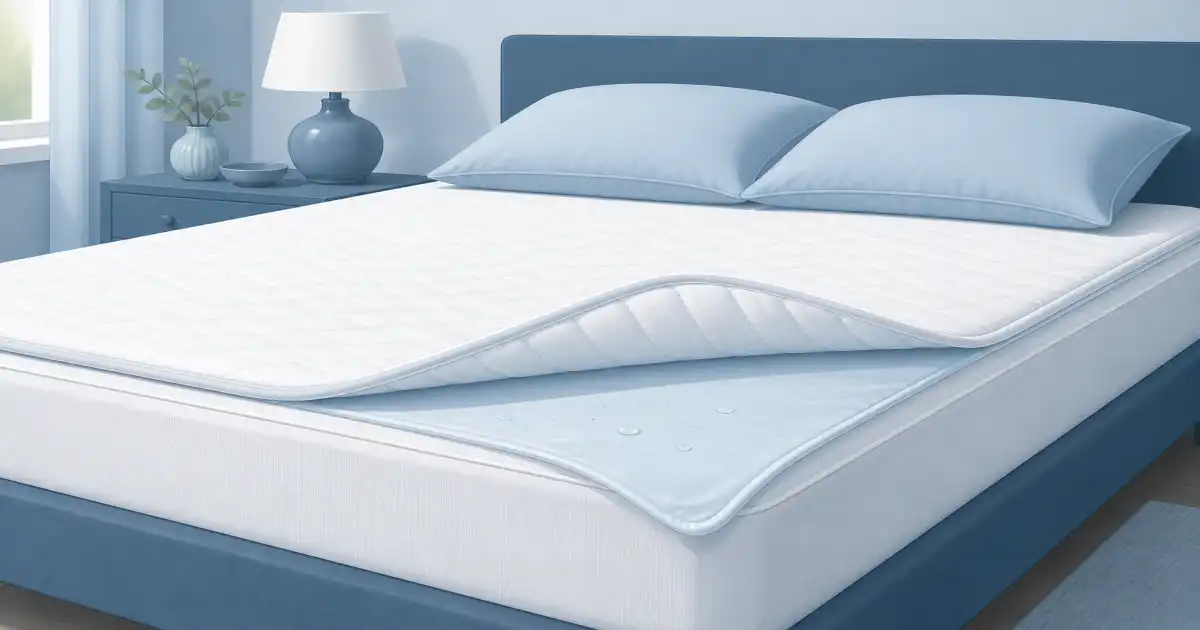
A protector is usually a thin fitted layer with a waterproof membrane. It sits under your fitted sheet and keeps liquid from reaching the mattress. That matters if you have kids, pets, allergies, night sweats, or simply want to keep a costly mattress clean.
The SafeRest Waterproof Queen Size Mattress Protector is the right type of product for that job. Its cotton terry surface is intended to feel less plasticky than old-style vinyl covers, while the layer underneath handles spills. It will not change the firmness of your mattress.
Choose SafeRest if: you need waterproof coverage without a thick comfort layer. Skip SafeRest if: you only want cushion and have no spill risk.
A mattress pad is for a small comfort change
A mattress pad has more filling than a protector. It can make a slightly firm surface feel softer, add a little quilted comfort, or give a guest bed a more inviting feel. Most standard pads are not a substitute for waterproof protection.
If your bed needs a major comfort change, skip the expectation that a thin pad will fix it. A true topper has more material and will change the feel more. The Linenspa 3 Inch Gel Infused Memory Foam Mattress Topper is an example of a bigger layer that can soften pressure points, but it should be covered with a protector.
When one layer does both jobs
The Parkdeny Queen Quilted Fitted Waterproof Mattress Pad is the shortcut when you do not want to choose. It is a quilted pad and a waterproof protector in one fitted layer: over 30 ounces of hollow cotton on top for cushion, and a quiet, vinyl-free TPU membrane underneath to keep sweat and spills out of the mattress. Buyers describe it as smooth to lie on with no plastic crinkle, which is the usual complaint about waterproof covers.
This is the right buy if you want the bed to feel a little softer and you also want insurance against accidents, sweat, and kids with drinks. It costs less than buying a pad and a separate protector, and it saves you a layer in the stack. The 360-degree skirt fits mattresses up to 21 inches, so it grips a tall hybrid or a mattress with a topper under it.
Skip it if you only need spill protection and want the thinnest possible layer, in which case a dedicated protector like the SafeRest is the better fit. And if you want a much softer bed, a quilted pad still cannot match a foam topper.
Can you use both together?
Yes. Start with the mattress, then put on the pad or topper. Place the waterproof protector over that comfort layer, then add your fitted sheet. This keeps moisture away from the expensive foam or fiber layer as well as the mattress underneath.
Check pocket depth before ordering. A topper, pad, protector, and fitted sheet can add several inches. If the sheet corners keep popping off, the stack is too tall for your current sheets.
Do not buy a pad for a protection problem
Some pads are described as water-resistant or moisture-wicking. That can help with a small amount of sweat, but it is not the same as a waterproof barrier. If you are worried about a drink, pet accident, or a child getting sick, choose a protector that specifically says waterproof.
The opposite mistake happens too. A protector can feel quieter and smoother after a wash, but it cannot create real cushioning. Use it for protection, not as a comfort upgrade.
Heat, noise, and wash day
Thin polyurethane protectors under cotton terry usually sleep cooler than old vinyl covers. If a protector crinkles loudly when you roll over, look for a quieter membrane listing or a smoother top fabric. Wash the protector on the care label so the waterproof layer does not bake in a hot dryer.
Pads with quilted fill can take longer to dry. That is fine for a guest room. It is annoying if you wash bedding every week and need the bed back the same night. A thin protector usually returns to the bed faster.
Pets and kids push you toward the protector first. A quilted pad on its own will soak. Put the pad under the protector only when you want both soft quilted feel and real spill insurance.
When a topper beats both
If your shoulders ache on a firm mattress, neither a thin protector nor a light pad will fix that. You need foam thickness. That is a topper job. Keep the protector over the topper so accidents do not ruin the foam. Use mattress pad vs mattress topper when the comfort change is the whole point of the purchase.
Bottom line
A protector is the essential layer for keeping a mattress clean. A pad is optional comfort. If you want both without stacking two layers, a quilted waterproof pad like the Parkdeny does the two jobs at once. Use a topper when the bed needs a bigger change in feel. See our best mattress protector guide for more on quiet waterproof options, and best mattress pad when you already know you want quilted cushion.
Frequently Asked Questions
Do I need both a mattress protector and a mattress pad?
Only if you want both waterproof protection and extra surface cushioning as separate layers. Many people need a protector but do not need a pad. Some quilted pads, like the Parkdeny pad, combine cushion and a waterproof backing in one layer, so one purchase covers both jobs.
Does a mattress pad protect against spills?
A plain pad is absorbent rather than waterproof, so do not assume it will keep a mattress dry. The exception is a quilted pad built with a waterproof membrane, like the Parkdeny pad. Check the label for the word waterproof, not just water resistant.
Does a mattress protector make a bed hot?
Some do. Thin polyurethane membranes under cotton or smooth fabric tend to feel less warm than older vinyl covers.
Where does a mattress protector go?
Put it over the mattress or topper, then put your fitted sheet over the protector.
Mattress protector or pad: which should I buy first?
Buy the protector first if spills, sweat, pets, or kids matter. Buy a pad only when the bed already feels fine and you want a light quilted upgrade.
When should I skip the pad and buy a topper?
When you want a real firmness change. A thin pad cannot match a two- or three-inch foam topper. See mattress pad vs mattress topper for that split.
Can I put a protector over a topper?
Yes. That is the usual stack: mattress, topper or pad, waterproof protector, fitted sheet.