Best Mattress Pad for Back Pain (2026): Quilted Cushion for a Firm Bed
Bedding
A mattress pad for back pain adds a washable comfort layer over a firm bed. Quilted fiber fill softens first contact without the foam hug, but it cannot fix a sagging mattress.
Our picks
A mattress pad for back pain is a washable comfort layer that softens a firm bed without the foam hug or the price of a topper. It is the right answer when the mattress is structurally fine but the surface feels too firm, too finished-with-thin-sheet, or slightly worn on top. It is the wrong answer when the bed is sagging or the core has already broken down.
Browse our bedding category for related guides. For a general overview of pad types and how they wash, see the best mattress pad guide. For pressure-driven back pain that needs real alignment help, the best mattress topper for back pain page is the better fit. For a side-by-side breakdown of pad versus topper roles, read mattress pad vs mattress topper.
Honest note up front: a quilted pad is a comfort upgrade, not a medical fix. If your back pain is sharp, sudden, or getting worse, see a clinician. If the mattress already sags in the middle, no pad will fix that. If you just need to soften a stiff bed with a washable layer, a pad is the cheap first move before a topper.
When a mattress pad helps back pain and when it flops
A pad helps when the mattress still supports you but the surface feels too firm, too thin, or slightly worn on top. The quilted fill adds a washable cushion between you and the foam or springs underneath. Side sleepers often feel this first at the shoulder. Back sleepers on a hotel-firm slab feel it across the lumbar. The pad takes the sharp edge off without changing the support structure.
A pad flops when the bed has already broken down. A deep body-shaped valley, an edge that collapses when you sit, or coils you can feel through the cover all need a real mattress, not another washable layer. Foam on a broken core adds sink. Fiber fill on a hammocked bed just bunches in the dip.
It also flops when the problem is alignment, not pressure. A pad cannot keep hips level on a soft mattress. It cannot fix a pillow that drops your chin to your chest. For real alignment changes, you need either a foam topper or a different pillow.
Pad or topper for back pain
Read the full material breakdown in mattress pad vs mattress topper. The short version: pads are washable, cheap, and thin. Toppers are thicker, slower to wash, and more supportive.
Best overall cushion: Parkdeny Queen Quilted Fitted Waterproof Mattress Pad
Best for: Buyers who want a washable cushion over a firm bed plus spill protection in the same layer.
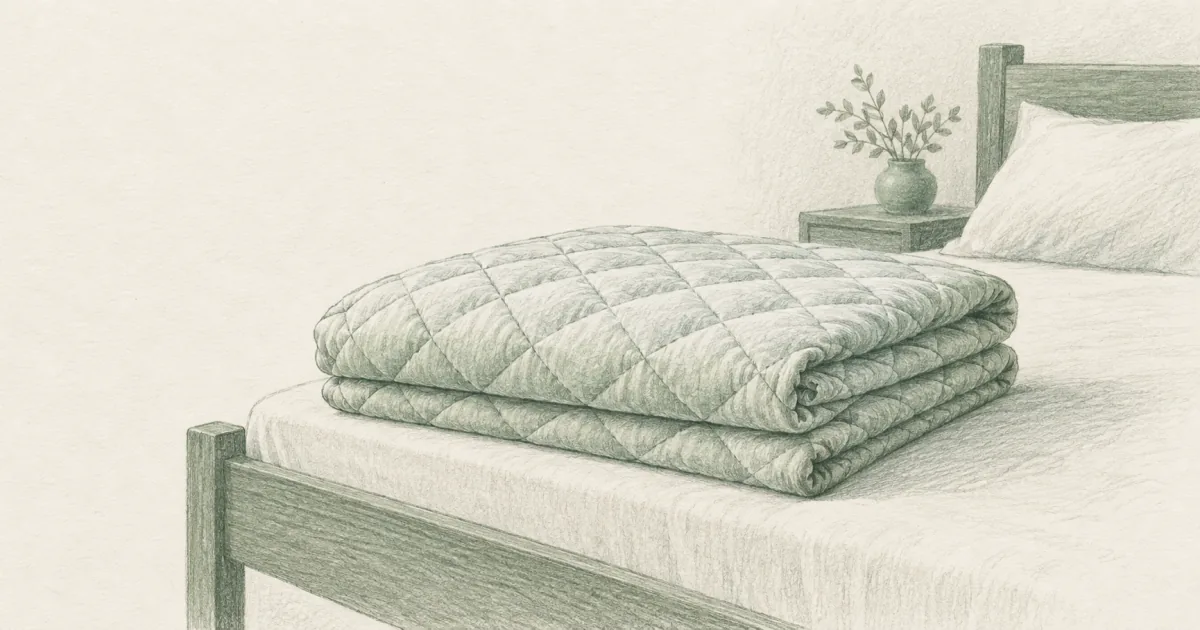
The Parkdeny Queen Quilted Fitted Waterproof Mattress Pad packs over 30 ounces of hollow cotton into a diamond-stitch quilt, so it softens first contact at the shoulders and hips without the slow sink of memory foam. On a mattress that still supports you but feels too firm, that is exactly the light cushion a pad should add.
The part that sets it apart is the backing. A quiet, vinyl-free TPU membrane keeps sweat and spills out of the mattress, so the pad does double duty as comfort and protection. Buyers describe it as smooth to lie on with no plastic crinkle, which matters when you are already shifting around trying to get comfortable.
The 360-degree elastic skirt grips mattresses up to 21 inches deep, so it stays put on a tall hybrid or a mattress with a topper under it. That is the other half of the fit problem, because a pad that bunches by morning is no help for your back.
Choose Parkdeny if: you want quilted cushion and waterproofing in one washable pad. Skip Parkdeny if: you need real pressure relief or deep alignment change, which calls for a foam or latex topper.
Plushest fiber fill: Atarashi 3 Inch Thick Mattress Pad
Best for: Buyers who want the most fiber cushion in a pad and have washer capacity for a thicker pad.
The Atarashi 3 Inch Thick Mattress Pad is for buyers who want the most fiber cushioning in this group. The listing combines a cotton top, down-alternative fill, a fitted skirt, and a claimed loft of three inches after the pad has expanded and been fluffed.
That thickness can soften first contact with a firm mattress, especially at the shoulders and hips. It will not behave like three inches of memory foam. Fiber compresses more easily and springs back faster, so you get a pillow-top feel rather than deep contouring.
Product photos can make fiber fill look taller than it feels under body weight. Fluff it after drying, then sleep a week. If you still feel the hard slab, you needed foam, not more quilting. Also check washer capacity. A puffy queen pad can fill a small machine before it is even wet.
Choose Atarashi if: your bed needs a generous surface cushion and you have enough laundry capacity. Skip Atarashi if: your main problem is deep sagging, poor support, or a hot foam mattress that already holds too much insulation.
How to fit a mattress pad for back pain
Measure the mattress from the bottom seam to the highest point. Include any topper already on the bed. A 14-inch mattress plus a 3-inch topper needs at least a 17-inch fitted pocket. A thick pad adds another inch once fluffed.
Check your fitted sheet. A deep-pocket pad can fit the bed perfectly while the sheet pops off because the total stack is now too tall. Buying a deeper sheet is often simpler than forcing an old elastic corner over several extra inches.
Choose the actual mattress size shown on the product page before ordering. Amazon sometimes groups several sizes and colors in one listing family. Confirm the selected twin, full, queen, king, or California king dimensions in the cart rather than relying on the first product photo.
Wash a mattress pad without ruining the fill
Read the sewn-in care label before the first wash. Most down-alternative pads call for cold water, a gentle cycle, and low tumble drying. High heat can damage elastic and bake synthetic fill into flat clumps.
The pad needs room to circulate. If it fills the washer before it is wet, take it to a larger machine. Forcing a queen or king pad into a cramped washer can leave detergent trapped in the quilting and put too much strain on the drum.
Dry it completely before remaking the bed. Pause the cycle once or twice to shake out the corners and redistribute the fill. Damp fiber can smell musty, and putting a fitted sheet over it slows the final stage of drying.
Use a separate waterproof layer when you need spill protection. Our mattress protector vs mattress pad guide explains how to combine the two without confusing comfort with waterproofing.
When a pad is not enough for back pain
Move to a mattress topper for back pain when the bed is firm and intact but shoulder or hip pressure is the main complaint. A foam or latex topper contours more than a quilted pad.
Replace the mattress when the middle sags, the edge collapses, or pain gets worse after soft layers. No pad, no topper, and no amount of fluffing will rebuild a broken support core. Pair a new mattress with a mattress protector so the next decade starts clean.
Add a different pillow when the kink is in the neck. The best pillow for neck pain guide covers loft and fill choices. A soft pad cannot fix a pillow that drops the chin to the chest.
Final take
A mattress pad for back pain is the cheap first move on a firm bed. The Parkdeny pad is the best all-rounder because it cushions the surface and keeps sweat and spills out of the mattress. Atarashi is the fuller fiber option. If real pressure relief is the goal on a still-solid mattress, move to a foam or latex topper.
Measure the bed, check washer capacity, and keep expectations realistic. A good pad makes a decent mattress more comfortable. It does not turn a sagging mattress into a supportive one.
Frequently Asked Questions
Can a mattress pad help with back pain?
A pad can help when the bed is too firm and the surface feels unfinished. It will not fix a sagging mattress, broken coils, or sharp sudden pain. For pressure-driven back pain on a still-solid mattress, a foam or latex mattress topper for back pain usually does more.
Is a pad or a topper better for back pain?
A pad adds light washable cushion. A topper adds real comfort depth. For real pressure relief or alignment changes, a topper is the better first buy. For a finished surface and easy laundry, a pad is the right answer.
What is the best mattress pad for a firm bed and back pain?
Start with the Parkdeny Queen Quilted Fitted Waterproof Mattress Pad when you want a washable comfort layer that also blocks sweat and spills. Its hollow cotton cushion takes the sharp edge off a firm bed without the foam hug. Use Atarashi 3 Inch Thick when you want the most fiber loft and have washer capacity for a thicker pad.
Will a quilted pad fix a sagging mattress?
No. Fiber fill pads cannot rebuild a deep sag or broken support core. They soften first touch. They do not restore alignment on a hammocked mattress. Replace the mattress or fix the foundation first.
How thick should a back-pain mattress pad be?
One to two inches is enough for finished feel on an already-okay bed. Three inches of fiber fill is the most you usually want without moving into topper territory. Anything thicker usually belongs in the mattress topper lane.
What is the difference between a mattress pad and a protector?
A pad adds quilted comfort. A protector blocks liquid. Some products combine both, but a pad without a waterproof membrane will not stop a soaked spill from reaching the mattress.
Is a memory foam pad better than a fiber-fill pad for back pain?
Memory foam pads contour more, which can help pressure points. Fiber-fill pads sleep cooler, wash easier, and add less trapped heat. Pick foam if pressure is the main complaint. Pick fiber if heat, laundry, and a soft first touch are the priorities.
Should stomach sleepers use a thick pad for back pain?
Be careful. Extra loft under the belly can arch the lower back. Stomach sleepers usually do better with one to two inches of pad plus a pillow that keeps the spine level.
Can a pad help with night sweats and back pain together?
Yes. Choose a breathable cotton-topped pad with down-alternative or hollow cotton fill, like the Parkdeny pad or Atarashi, and pair it with breathable sheets. The Parkdeny pad adds a quiet waterproof backing that keeps sweat out of the mattress. Foam traps more heat, so a fiber pad is usually the cooler pick.
How often should I wash a back-pain mattress pad?
Every one to three months is reasonable for most homes. Wash sooner after sweat, illness, or a spill. Use cold water and low dryer heat so the fiber fill does not clump.